
Introduction
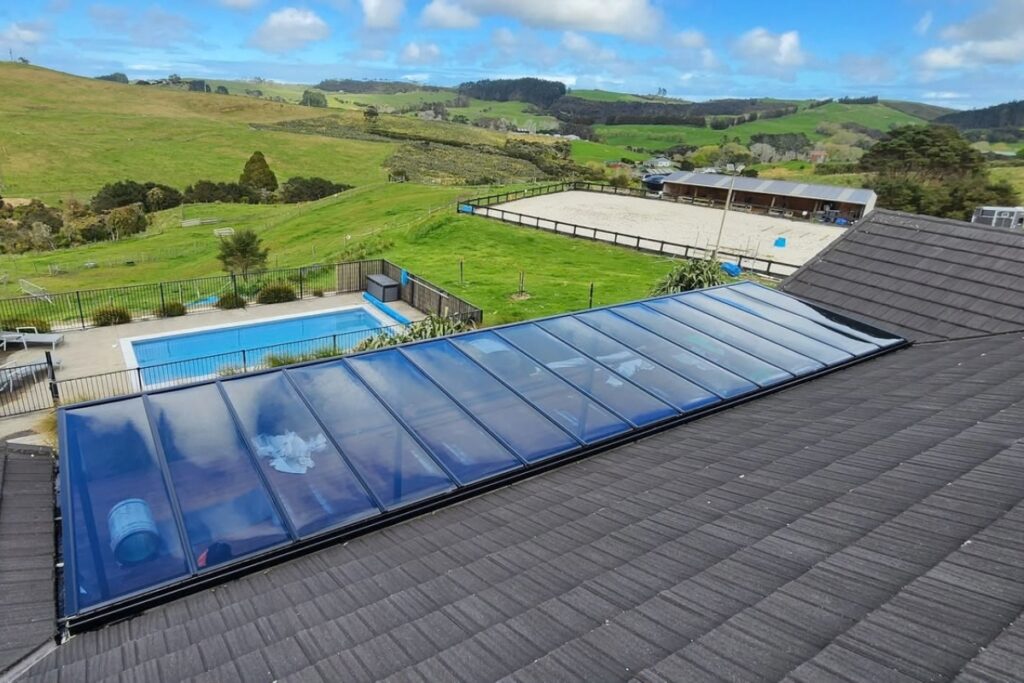
Choosing the right pergola for high wind zones in New Zealand is crucial for ensuring safety, durability, and long-lasting outdoor enjoyment. Regions exposed to strong coastal winds or elevated wind speeds demand pergolas designed and engineered to withstand these conditions without compromising on style or functionality. Aluminium pergolas, notably Pergola Master’s Vista pergola, offer a robust solution with their heavy-duty aluminium frames and 6mm thick polycarbonate roofing sheets.
Understanding High Wind Zones in New Zealand
New Zealand’s building standards, particularly NZS 3604, classify wind zones to help guide structural design and construction practices. These wind zones range from low to very high wind speeds, influenced by factors such as location, elevation, and proximity to the coast.
High wind zones typically include exposed coastal areas and elevated terrains where wind pressures are significantly greater. Pergolas installed in these areas must comply with specific engineering requirements to resist uplift and lateral forces caused by strong winds.
NZS 3604 and Wind Zone Classifications
- Low Wind Zones: Sheltered inland areas with minimal wind exposure.
- Medium Wind Zones: Most urban and suburban locations with moderate wind exposure.
- High Wind Zones: Exposed coastal regions and elevated sites prone to strong winds.
- Very High Wind Zones: Extreme exposure areas requiring specialised engineering.
For pergola installations in high or very high wind zones, structural design must ensure stability and compliance with these standards.
Why Choose Aluminium Pergolas for High Wind Zones?
Aluminium pergolas have become a preferred choice for New Zealand homeowners facing high wind conditions due to several advantages:
- Strength and Durability: Aluminium offers excellent strength-to-weight ratio, making structures robust yet lighter than steel.
- Corrosion Resistance: Unlike timber or steel, aluminium resists rust and decay, especially important in coastal environments.
- Low Maintenance: Aluminium requires minimal upkeep, retaining its appearance and structural integrity over time.
- Design Flexibility: Aluminium can be extruded into various shapes and profiles, allowing customised pergola designs.
Pergola Master’s Vista pergola exemplifies these qualities with its heavy weight aluminium framing and durable 6mm polycarbonate roofing sheets, providing both strength and weather protection.
Design Considerations for Aluminium Pergolas in High Wind Zones
Structural Elements
To withstand high winds, pergolas must incorporate key structural features:
- Heavy Duty Aluminium Frames: Thick extrusions and reinforced profiles increase the pergola’s resistance to bending and uplift.
- Bracing and Anchoring: Cross bracing and secure anchoring to foundations prevent lateral movement and uplift during gusts.
- Connection Hardware: High-quality fasteners and brackets ensure joints remain secure under stress.
Roofing Materials
Roofing choice impacts wind resistance and durability. Pergola Master uses 6mm thick polycarbonate sheets for the Vista pergola roof, offering several benefits:
- Lightweight and Strong: Polycarbonate is significantly lighter than glass yet highly impact-resistant.
- UV Protection: Blocks harmful ultraviolet rays while allowing natural light to filter through.
- Flexibility: Slightly flexible material reduces the risk of cracking under wind pressure.
Compared to glass roofing, polycarbonate sheets are less prone to damage during storms and easier to install with aluminium framing.
Pergola Master’s Vista Aluminium Pergola: A High Wind Zone Solution
The Vista pergola is specifically designed to address the challenges posed by New Zealand’s high wind zones. Key features include:
- Heavy Weight Aluminium Frames: Engineered to provide superior strength and stability.
- 6mm Polycarbonate Roofing Sheets: Durable, UV resistant, and impact-resistant roofing that complements the robust frame.
- Professional Installation: Ensures compliance with local building codes and NZS 3604 standards.
- Customisable Designs: Adaptable to various site conditions and aesthetic preferences.
These features make the Vista pergola an excellent choice for coastal homes, exposed sites, or any area classified as a high wind zone in New Zealand.
Maintenance and Longevity of Aluminium Pergolas in High Wind Areas
While aluminium pergolas require less maintenance than timber or steel, certain practices help maximise lifespan, especially in coastal or windy environments:
- Regular Cleaning: Wash frames and roofing sheets with fresh water to remove salt deposits and debris.
- Inspect Fasteners and Connections: Check screws, bolts, and brackets periodically to ensure they remain tight and corrosion-free.
- Clear Gutters and Drainage: Keep roofing drainage paths clear to prevent water accumulation and potential damage.
- Address Minor Damages Promptly: Repair chips or scratches on paint finishes to prevent corrosion.
Following these guidelines helps maintain structural integrity and appearance over many years.
Case Studies: Aluminium Pergolas in New Zealand High Wind Zones
Several homeowners across New Zealand have successfully installed aluminium pergolas capable of withstanding high wind conditions:
- Coastal Bay of Plenty: A Vista pergola with reinforced framing and 6mm polycarbonate roofing has provided shelter and durability despite frequent strong sea breezes.
- Wellington Suburbs: Elevated sites with gusty winds benefit from customised anchoring solutions and bracing integrated into aluminium pergola designs.
- Canterbury Plains: Open plains exposed to wind have seen aluminium pergolas maintain stability and weather resistance over several seasons.
These examples highlight the effectiveness of combining heavy-duty aluminium framing with quality roofing materials in New Zealand’s challenging wind environments.
Conclusion
For New Zealand homeowners in high wind zones, selecting an aluminium pergola like Pergola Master’s Vista model offers a practical and stylish outdoor living solution. The combination of heavy weight aluminium frames and 6mm polycarbonate roofing sheets ensures strength, durability, and compliance with NZ building standards. Proper design, installation, and maintenance are key to enjoying a safe and long-lasting pergola that withstands the country’s unique wind challenges.
FAQs
1. Are aluminium pergolas suitable for coastal high wind zones in New Zealand?
Yes. Aluminium’s corrosion resistance and strength make it ideal for coastal areas where salt and wind exposure are significant factors.
2. What makes the Vista pergola suitable for high wind zones?
The Vista pergola features heavy weight aluminium frames engineered for strength and 6mm polycarbonate roofing that resists impact and wind pressure.
3. How does polycarbonate roofing compare to glass in windy conditions?
Polycarbonate is lighter, more impact-resistant, and flexible compared to glass, reducing breakage risk during strong winds.
4. Do aluminium pergolas require special maintenance in high wind areas?
Regular cleaning, inspection of fasteners, and prompt repairs help maintain aluminium pergolas, especially in coastal or windy environments.
5. How can I ensure my pergola installation complies with New Zealand building codes?
Work with professional installers like Pergola Master who design and install pergolas according to NZS 3604 and local council requirements.